
25 Widely Believed Myths That Are Actually False
Throughout history, numerous myths and misconceptions have become ingrained in popular culture, passed down through generations. Despite their widespread acceptance, many of these beliefs have been debunked by modern science and research. This article explores 25 commonly believed myths, revealing the surprising truths behind them. From brain usage to lightning strikes, these insights will challenge your understanding of the world and make you question what you thought you knew. Let’s uncover the facts and separate truth from fiction!
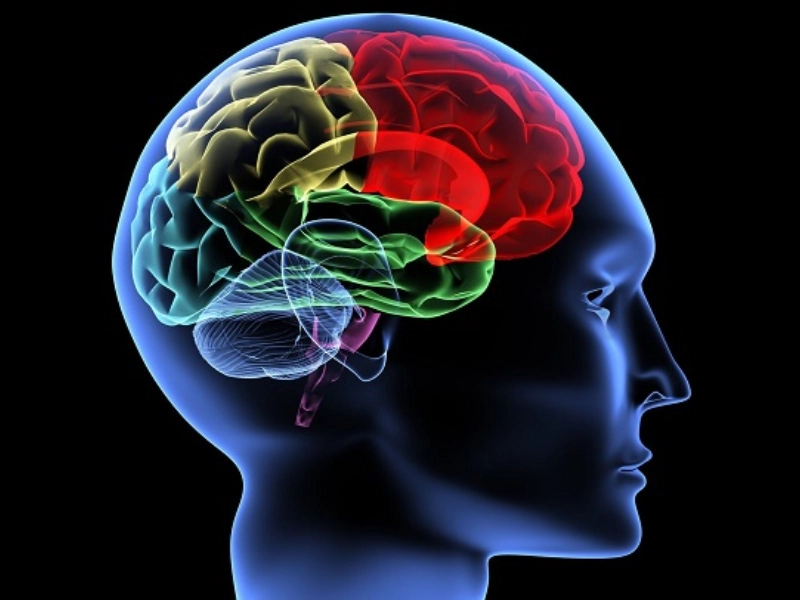
Modern imaging techniques like functional MRI (fMRI) and PET scans reveal that nearly all parts of the brain are active at different times throughout the day. While not every region is engaged simultaneously, various areas light up depending on the task, whether it’s processing sensory input, solving problems, or regulating emotions. Even during sleep, the brain remains highly active, managing essential functions like breathing, digestion, and memory consolidation.
This myth likely originated from early misunderstandings of brain research in the 20th century when scientists observed that only a small percentage of neurons fired at any given moment. This was misinterpreted as evidence of inactivity in the remaining brain. In reality, the brain is a highly efficient organ, with every part designed for specific purposes. This intricate network of activity highlights just how remarkable and fully utilized our brains truly are.