Rewritten Version Few roles capture public imagination like that of the flight attendant. Poised professionals glide through narrow aisles in polished uniforms and heels, projecting calm, grace, and quiet authority. Through delays, turbulence, and tense moments, their practiced smiles steady the cabin. Yet behind that polished exterior lie personal experiences and untold details most passengers never notice.
Guided by curiosity, we set out to learn what really sits behind those reassuring smiles. We aimed to surface lesser known realities and gather practical suggestions to elevate any journey. Along the way we discovered that crews also carve out brief pockets of joy on duty, loosening strict routines when possible. That balance of discipline and lighthearted humanity reveals the real people caring for us at altitude.
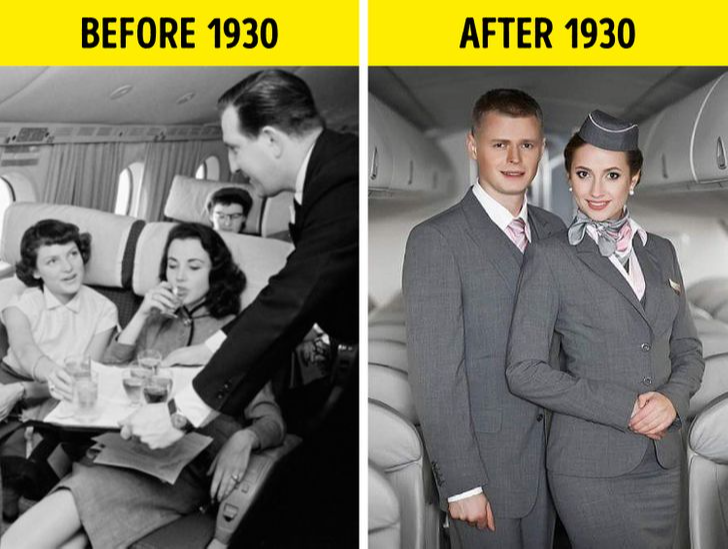
This profession began as a male only field. Early cabin attendants were men, reflecting social norms of the time. Everything shifted in 1930 when Ellen Church, a nurse and licensed pilot, proposed serving aboard Boeing Air Transport flights.
Her forward thinking proposal highlighted how trained women could enhance safety and passenger comfort. Airlines quickly recognized the marketing appeal. If families felt reassured by a compassionate attendant, overall confidence would rise. That insight opened doors and women soon became central to commercial flight.