The Geological Formation of the Dead Sea The Dead Sea, as we know it today, began its formation approximately 3 million years ago during the Pliocene epoch. This period was marked by significant geological activity that shaped the region and led to the creation of this unique body of water.
Key Stages of Formation Geological Activity and the Great Rift Valley:
The formation of the Great Rift Valley was a crucial factor in the Dead Sea's development. Tectonic forces caused the land to shift, creating a rift that would eventually lead to the lake's formation.
Mediterranean Sea Inundation:
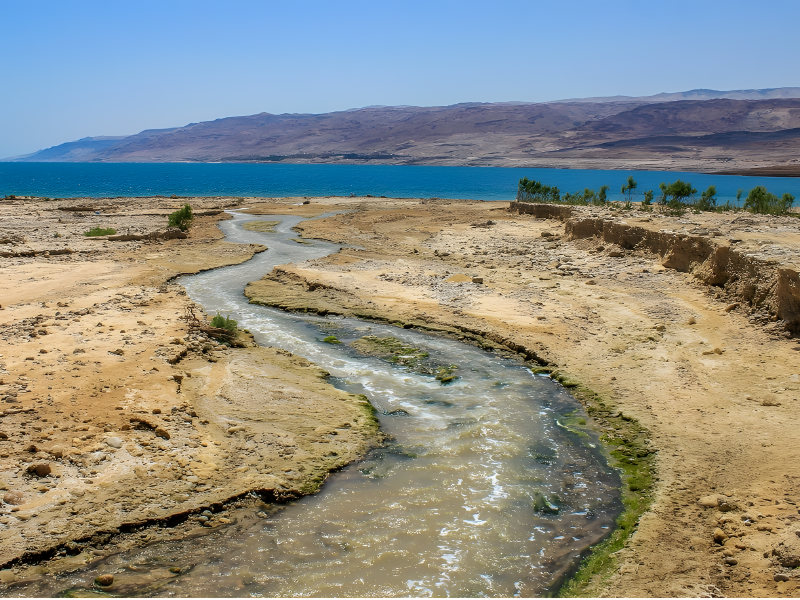
During the Pliocene epoch, the Mediterranean Sea repeatedly flooded the area that would become the Dead Sea and the Jordan River basin. These floods deposited large amounts of salt and minerals in the region.
Isolation from the Mediterranean:
As tectonic activity continued, the elevation of the rift valley gradually increased relative to the Mediterranean Sea. This change eventually cut off the influx of seawater, transforming the former bay into a landlocked lake.
Birth of the Dead Sea:
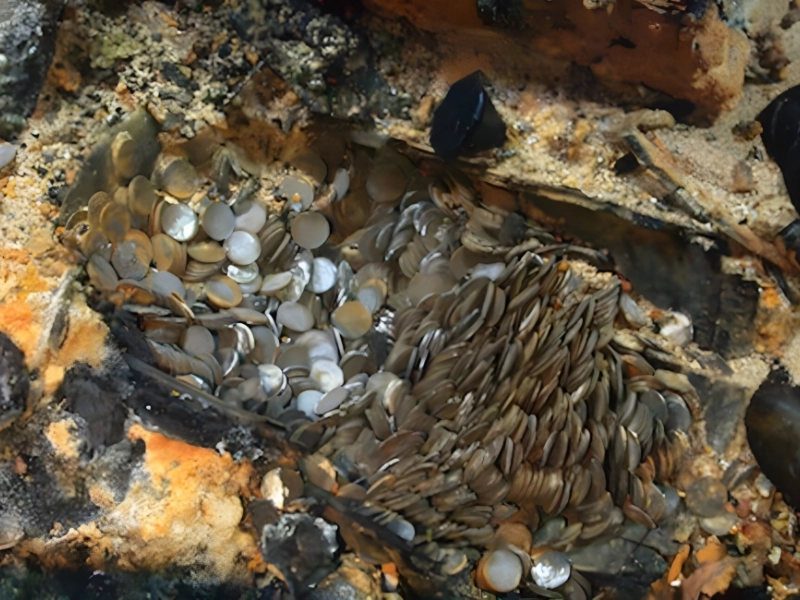
This isolation marked the birth of the Dead Sea. Over millions of years, the combination of uplifted land and the region's arid climate led to the concentration of minerals, resulting in the lake's unique chemical composition.
Geological Insights The geological history of the Dead Sea is crucial for understanding not only its current state but also the broader tectonic processes that have shaped the entire Middle East region. The ongoing geological activity continues to influence the landscape and ecology of the area.
Current Challenges Today, the Dead Sea faces significant challenges, including:
Shrinking Water Levels:
Human activities, such as mineral extraction and the diversion of the Jordan River, have contributed to declining water levels.
Climate Change:
Changing climate patterns are exacerbating the situation, leading to increased evaporation and further reduction in water volume.
Conclusion The formation of the Dead Sea is a fascinating story of geological evolution that highlights the interplay between tectonic forces and climatic conditions. As this ancient natural wonder continues to evolve, it faces modern challenges that underscore the delicate balance between preserving its unique environment and addressing human impacts.